CALVES
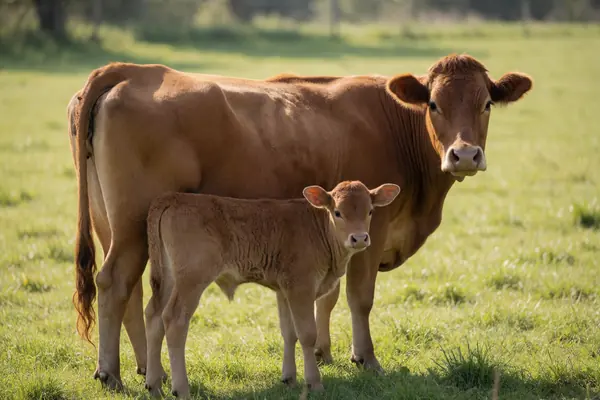
Mothers protect
HSE warns that cows with calves at foot can be a risk because of protective maternal instincts, especially when a dog is present.
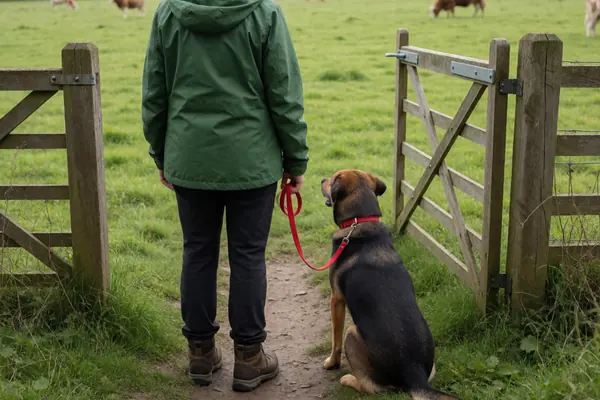
Check a field doodlewalks
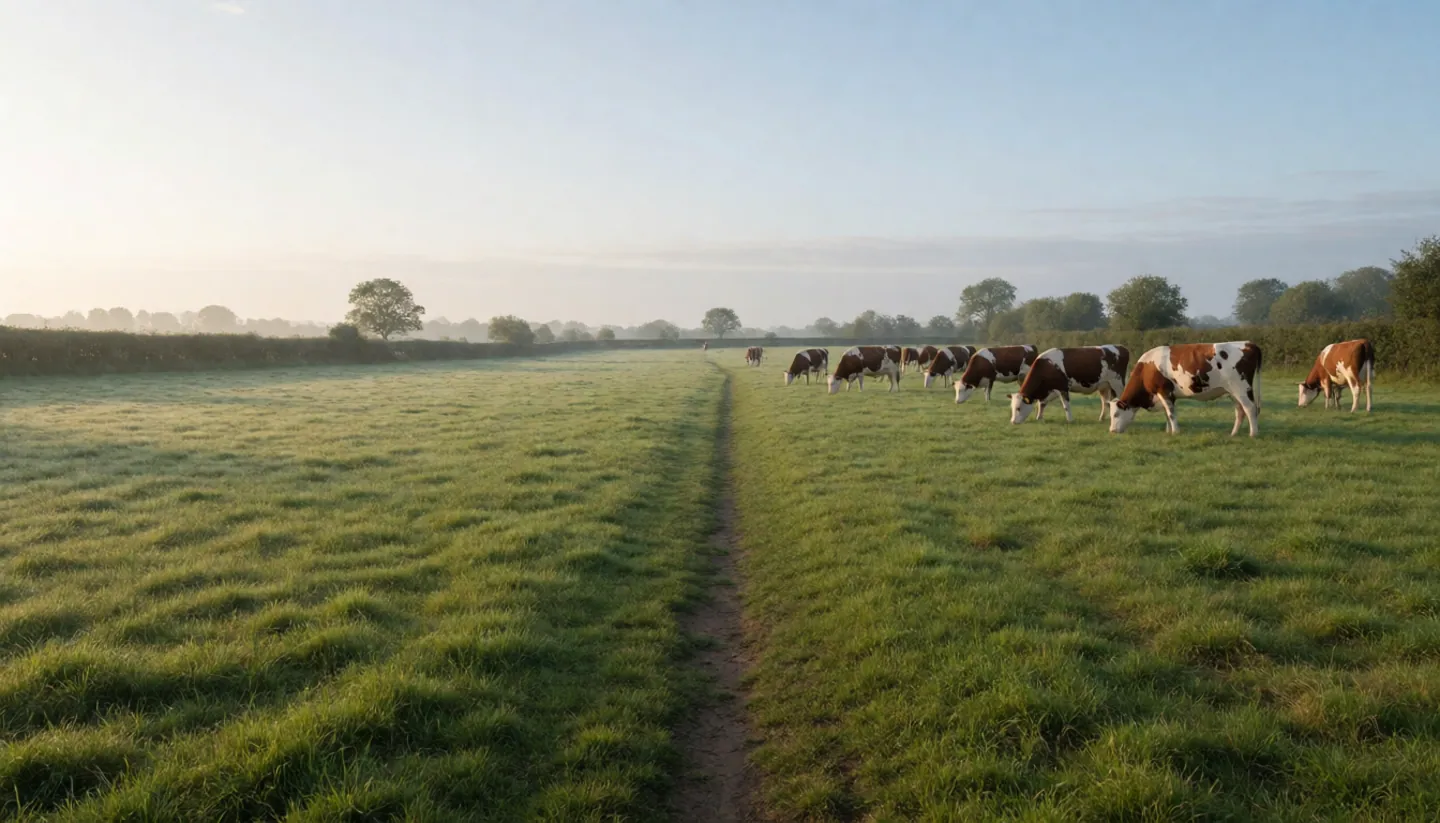
LET THE DOG GOif cattle chase you
But HSE says even placid cattle can become aggressive under stress, especially cows protecting calves when a dog is near. The advice for walkers is simple: keep your distance, keep your dog close, and let it go if cattle come at you.
Updated
THE SHORT ANSWER
HSE investigates cattle incidents every year.
Two factors come up again and again.
CALVES
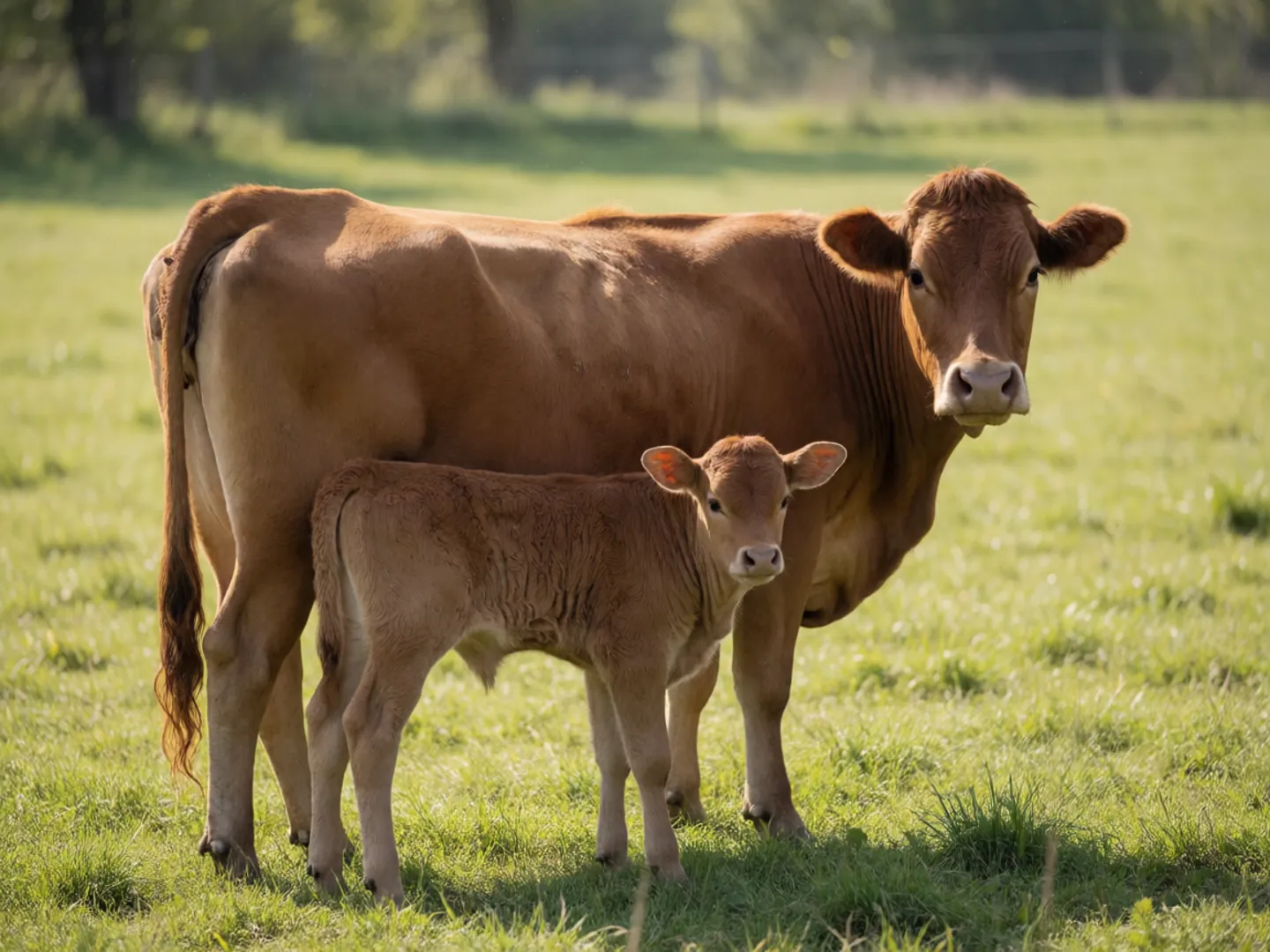
HSE warns that cows with calves at foot can be a risk because of protective maternal instincts, especially when a dog is present.
Check a fieldDOGS
The Countryside Code says to keep your dog on a lead around livestock, but to let it off if you feel threatened so you can both reach safety.
What to doDISTANCE
Scotland's access code advises keeping a safe distance from livestock and considering another route, and not taking dogs into fields with young animals.
See the rulesA QUICK FIELD CHECK
Pick what you see at the gate. The bar shows how much extra care the guidance suggests.
Based on HSE information sheet AIS17EW, the Countryside Code and HSE's Scottish sheet quoting the Scottish Outdoor Access Code. General information only.
TWO RULES WORTH KNOWING
One legal rule for dogs on access land,
one definition from HSE.
1 Mar–31 Jul
Lead on, on Open Access land
Between 1 March and 31 July you must keep your dog on a lead on Open Access land in England, even if no livestock are there. It is a legal requirement.
DOGS · COUNTRYSIDE CODE
10 months+
When a bull counts as a bull
HSE's sheet defines bulls as uncastrated bovine animals of 10 months or over.
BULLS · HSE
The Countryside Code adds that a farmer can shoot a dog that is attacking or chasing livestock, and may not have to compensate the owner.
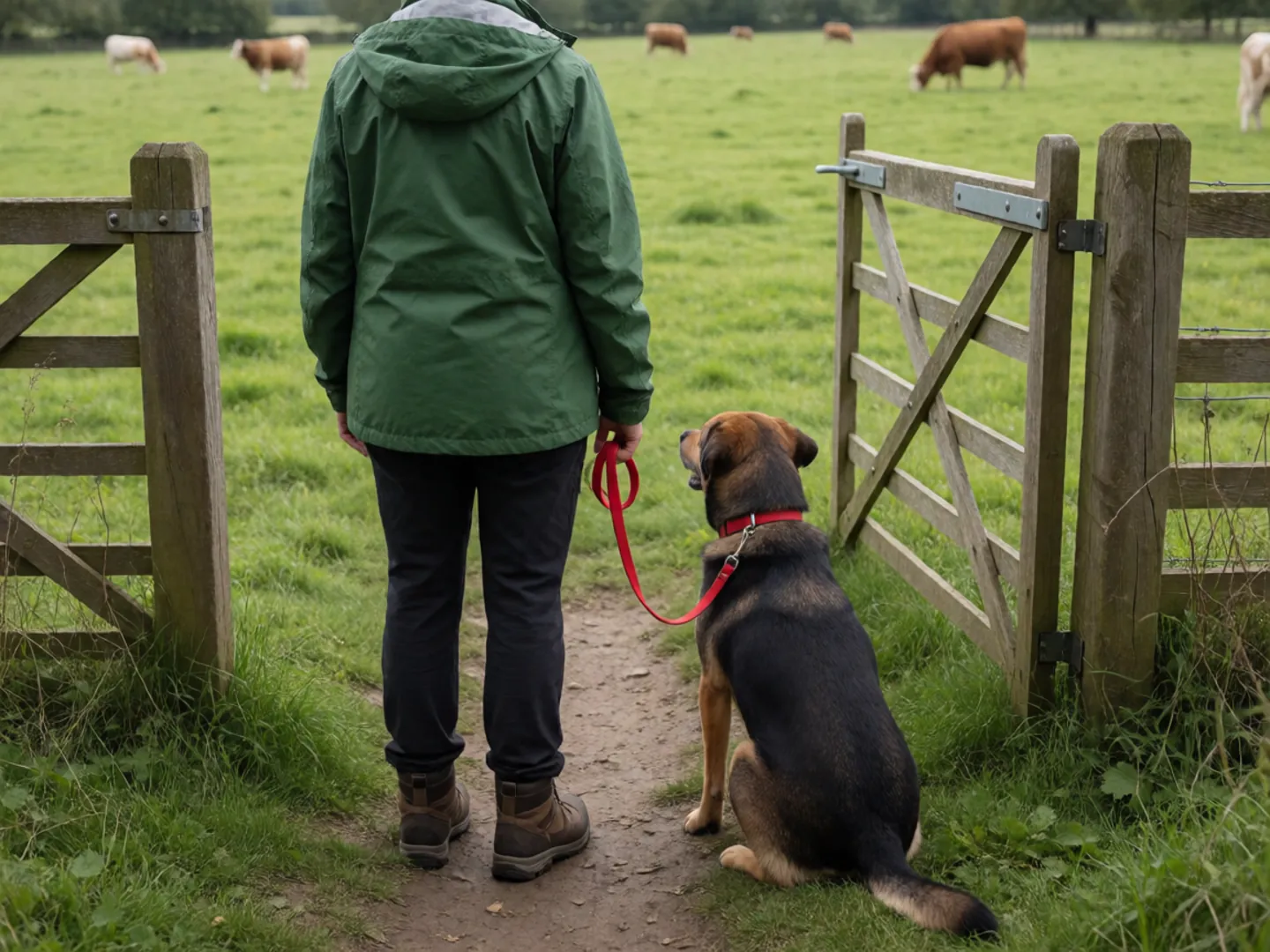
FOUR STEPS FROM THE GUIDANCE
These come from the Countryside Code and the access advice HSE quotes for Scotland.
Look for signs about a bull or cows with calves. Farmers are advised to put them at gates and stiles when those animals are present.
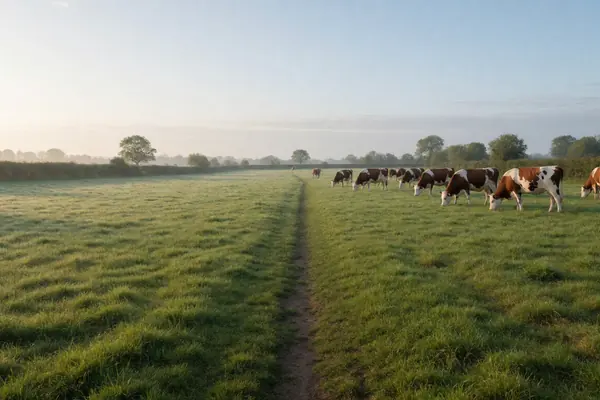
Pass at a safe distance from livestock, and consider another route if the herd is on the path.
Keep your dog on a lead around livestock, and avoid taking it into fields with young animals.
If you feel threatened, let the dog off the lead. Releasing it makes it easier for you both to reach safety.
WHAT FARMERS ARE TOLD
HSE advises farmers to keep cattle in fields without public access where possible, especially when calving or with calves at foot, to check stock and fences at least once a day, and to keep feeding areas away from rights of way.
Bull signs should be yellow triangles with a black bull symbol and should not say 'beware' or 'danger'. Signs should be covered when the animals are not there, and misleading signs that deter lawful access are treated as obstruction.
Questions
They can be. HSE says all large animals are potentially dangerous and even placid cattle can turn aggressive under stress, such as when protecting calves.
Yes, it is good practice around livestock. But if cattle threaten you, the Countryside Code says to let the dog go so you can both get to safety.
Bulls of recognised dairy breeds are banned from fields crossed by public rights of way. Beef bulls are allowed only with cows or heifers, except on open fells or unenclosed moorland.
On Open Access land in England, between 1 March and 31 July, and around livestock at any time there or at the coast.
They can offer an alternative route, but HSE notes the public is still entitled to use the right of way. Fencing across a right of way would obstruct it.
ABOUT THIS NAME
doodlewalks.com is part of the DoodleSale portfolio. It isn't in an auction right now, but you can ask about leasing it.